
What should investors worry about in 2026?
By Joss Murphy on 9 January 2026 in Basics
What should investors be worried about as 2026 gets underway? Are global conflicts the biggest concern? How about stock-market volatility? It’s very difficult to know what’s really important because we face a daily barrage of stories, opinions, projections, claims and warnings. It all comes down to what you can – and can’t – control. Here is our guide to where your focus needs to be and what you can ignore.

What does matter
Inflation
This affects the cost of everything. When inflation is soaring, prices of everything from a loaf of bread to a new car are higher. The current inflation rate is published monthly by the Office for National Statistics, which examines demand over the previous 12 months. The Bank of England uses interest rates to control inflation. They’re set quarterly by the Monetary Policy Committee, based on data and forecasts. For savers and investors, interest rates and returns must at least keep pace with inflation; otherwise, their money loses value.
Your investment goals
Know what you’re trying to achieve. For example, are you looking to build a retirement pot or need an extra revenue stream? This will influence your investments. If you’re seeking bumper, double-digit returns, you may need to allocate more to emerging markets with greater growth potential. You must also be clear about your attitude to risk. Are you happy riding the wave of stock-market volatility, or do you prefer more stable investments that enable you to sleep soundly? For example, if you’re approaching retirement, then you’ll probably prefer to have the bulk of your assets in bonds, rather than high-octane, volatile holdings.
Fund costs
These are often overlooked but can significantly impact returns. Every investment fund will cost you money, but the fees charged can vary. The main one to look for is the ongoing charges figure. This is the annual cost of operating the fund and includes the management fee, as well as administrative and legal costs.
Diversifying your portfolio
This is very important. Pinning your hopes on a few investments is dangerous. If they do well, you’ll benefit; if they underperform, you’ll be facing losses. A diversified portfolio typically includes a mix of equities, bonds, property, cash, and alternative investments. The hope is that not all investment types will fall at the same time. When one goes through a difficult patch, another should ideally increase to compensate. Such an approach is sensible for most investors – and particularly beginners who are still learning about asset classes and how they work.

Choosing the right manager
The fund manager will help determine whether you make money, so it’s vital to select them with care. Choose correctly, and you can enjoy decent returns. Pick badly, and you could make a loss. FundCalibre’s experts narrow thousands of funds to a preferred list of around 200 they believe are worth investors’ consideration.
Managers we like include James Thomson, lead manager of the Rathbone Global Opportunities fund, who has become one of the top performers in the IA Global sector. Another is Richard Hallett, lead manager of the IFSL Marlborough Multi-Cap Growth fund. He has a strong record in stock picking.


What doesn’t matter
Short-term volatility
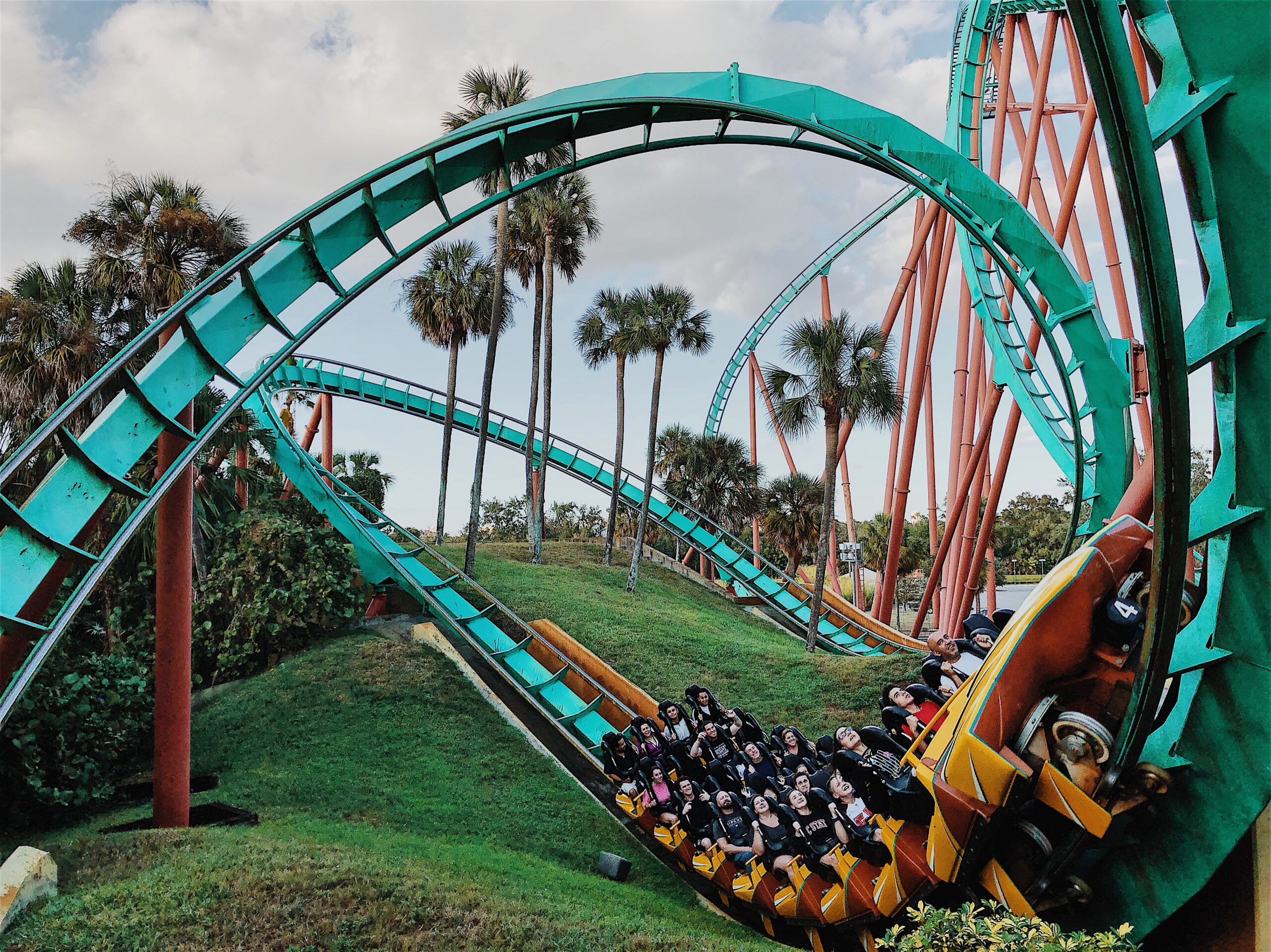
Stock markets rise and fall constantly. If you worry about every daily price movement, then you’ll cause yourself no end of stress. Such volatility is usually just noise, rather than anything dramatic. News headlines, rumours and analyst speculation can cause the market to overreact. Sometimes it can be hard to pinpoint what’s caused the market to move. That’s why it’s often best to sit tight and see whether it’s a prolonged downturn. As long as you’re happy with your long-term investment objectives, then short-term volatility shouldn’t give you too many headaches.
Fad funds and sectors
There will always be a buzz around certain companies, stocks and sectors. Whether it’s the latest technology, a popular trend, or the latest obsession. Many of these areas can soar in value virtually overnight. However, they’re often volatile, and some will disappear without a trace. The most famous was the dot-com bubble in the late 1990s, when companies with no real revenue were given inflated valuations. Prices rocketed, then collapsed. The fact is, there will always be a hot stock or sector. Don’t waste your time trying to jump on the bandwagon of something causing a stir on social media.
Market timing
Even professional investors with years of experience find it exceptionally difficult – if not totally impossible – to time the market accurately. There are too many variables. Stock prices can be affected by everything from company results to economic forecasts, geopolitical unrest and sector-specific issues. A better approach is to embrace pound cost averaging. This is a financial technique that helps people smooth returns by investing regularly. They commit a set amount each month to buy fund units at their current price. Should they fall in value, therefore, you’ll get more units for your money.
Temporary losses
No one likes to see the value of their holdings fall, but it’s important to remember that these are only paper losses. They only become real losses if you sell at the wrong time. While it can be tempting to panic sell when prices fall, this can end up causing more problems if the dip is temporary. To re-buy the stock, you may have to pay a premium. The key is whether you believe in the individual investment. If it’s been chosen after detailed analysis of its prospects, then you should be happy to keep it through the highs and lows. Of course, that’s not to say you must hold it forever. It’s important to revisit your portfolio at least once a year to ensure it’s on target to meet your objectives.
Shock headlines
There are thousands of news sources, all searching for stories and angles. Some will be accurate; others will be completely wrong. Their accuracy will depend on the veracity of sources used and whether the publisher is a respected, established title or a clickbait social media outlet. Speculative stories may have been placed by people who have an interest in the stock price rising. In such cases, the subsequent hikes are likely to be temporary. Similarly, worrying reports or predictions may adversely affect the valuations of companies in the same sector. However, if these prove to be unfounded, then they will recover.

This article is provided for information only. The views of the author and any people quoted are their own and do not constitute financial advice. The content is not intended to be a personal recommendation to buy or sell any fund or trust, or to adopt a particular investment strategy. However, the knowledge that professional analysts have analysed a fund or trust in depth before assigning them a rating can be a valuable additional filter for anyone looking to make their own decisions.
Past performance is not a reliable guide to future returns. Market and exchange-rate movements may cause the value of investments to go down as well as up. Yields will fluctuate and so income from investments is variable and not guaranteed. You may not get back the amount originally invested. Tax treatment depends of your individual circumstances and may be subject to change in the future. If you are unsure about the suitability of any investment you should seek professional advice.
Whilst FundCalibre provides product information, guidance and fund research we cannot know which of these products or funds, if any, are suitable for your particular circumstances and must leave that judgement to you. Before you make any investment decision, make sure you’re comfortable and fully understand the risks. Further information can be found on Elite Rated funds by simply clicking on the name highlighted in the article.
Related insights

To buy and hold or to trade, that is the question

What investors are thankful for this Thanksgiving

Sell in May and go away? Does the old adage hold true in 2025?