
“It looks like those capex increases are linked to strong demand. Is there over-valuation? Compared with other bubbles, and with the exception of Tesla, the valuations don’t seem to be at extremes. It makes sense that the market is questioning these areas, but at the moment, it doesn’t look like it’s a bubble.”
Gold, gloom and the great AI debate: insights from the FundCalibre investment dinner
By Staci West on 10 December 2025 in Multi-Asset
The annual FundCalibre investment dinner is a chance to chew the fat with a number of our rated managers, look back on a noisy 2025 and forward to an action-packed 2026.
At this year’s dinner, Dr Ian Mortimer, manager on the Guinness Global Equity Income fund, Georges Lequime, manager of the WS Amati Strategic Metals fund, and Stephen Snowden, manager of the Artemis Corporate Bond fund, discussed the AI bubble, the rally in precious metals, the relative economic health of the UK, and opportunities for the year ahead.

Is the AI boom becoming a bubble?
The most pressing question for investors is the potential for a bubble in AI stocks. Luminaries such as Alphabet boss Sundar Pichai and JP Morgan CEO Jamie Dimon have warned on soaring valuations. Dr Ian Mortimer said there were three elements that are troubling investors: burgeoning capital expenditure, high valuations and debt.
He says: “There’s been a huge increase in capex. In the market, companies are getting rewarded for that spending. The argument appears to be that it reflects demand in the market. In the case of Microsoft, that means they’ve got the demand for Azure. The expectations for capex have been increasing. Expectations for 2026 spending is 78% higher and the expectation for 2027 is almost double where it was 12 months ago. The step change we’ve seen over a relatively short period has been extraordinary.”
He points out that these big numbers are also having an impact on economic growth. In the US, around 40% of GDP growth is coming from this spending. This dependency on AI is also a concern. But is it a bubble? Ian points out that a lot of these companies can pay for this spending out of cash. That’s not the case for companies such as Oracle, but overall, companies are issuing quite a lot of debt but are not over-leveraged at the moment. He sums up the situation:

However, that doesn’t mean there aren’t risks, and it doesn’t mean there aren’t better opportunities elsewhere. He says that the unwinding of these strong periods in markets is often prompted by a change in Federal Reserve interest rates and that’s a major risk that he’s watching for next year.
Ian is focusing his attention on areas that haven’t done so well. He points out that consumer staples and healthcare stocks have been laggards, which is unusual in this type of market backdrop. “The businesses are doing very well, paying high dividends from strong earnings. There are good opportunities out there, away from these big technology names.”
Precious metals shine but remain underowned
Precious metals have also been one of the success stories in 2025. Gold has led the way, but silver and platinum are catching up. Many of the factors that have driven precious metals are still in place: major governments are still in significant debt, the dollar is weaker and geopolitical tensions are still in evidence across the world.
Georges Lequime says that in spite of the run up in the commodities prices, generalist buyers have not participated significantly in the rally. He believes this may be because they want to see a period of stability for the gold price before they commit.
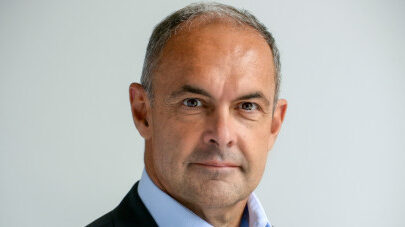
“It’s a sector that is seeing rising demand. It’s been starved of capital for two decades. That’s left a lot of commodities trading below incentive prices. If you look at most of the commodities out there, you’re seeing demand growing and supply plateauing and we’re getting to a crunch.”
He points out that silver has been in deficit for five years. There is a lot more discipline in the industry, yet companies remain on relatively low valuations. “We scratch our heads on this,” says Georges. “At some point in time, we’ll get this generalist capital coming into the sector, potentially driving it higher than we see at the moment.”
He says he remains “suspicious” of the gold price, but adds, “we have to ask why it would pull back? There is a structural shift in the behaviour of central banks. They have bought 264 tonnes this year. Tether stablecoin is now holding gold as well.”
UK assets: gloomy sentiment but unexpected value
One area where no-one is worried about a bubble is the UK. The recent Budget has extended the prevailing gloom on the UK, with no meaningful spending cuts and higher taxes. The Government believes it can outstrip the OBR’s lacklustre forecasts on growth. Not many economists agree with them.
This has implications for the gilt market. Stephen Snowden believes there is a still a ‘moron’ premium attached to UK government bonds that has persisted since the Liz Truss debacle.
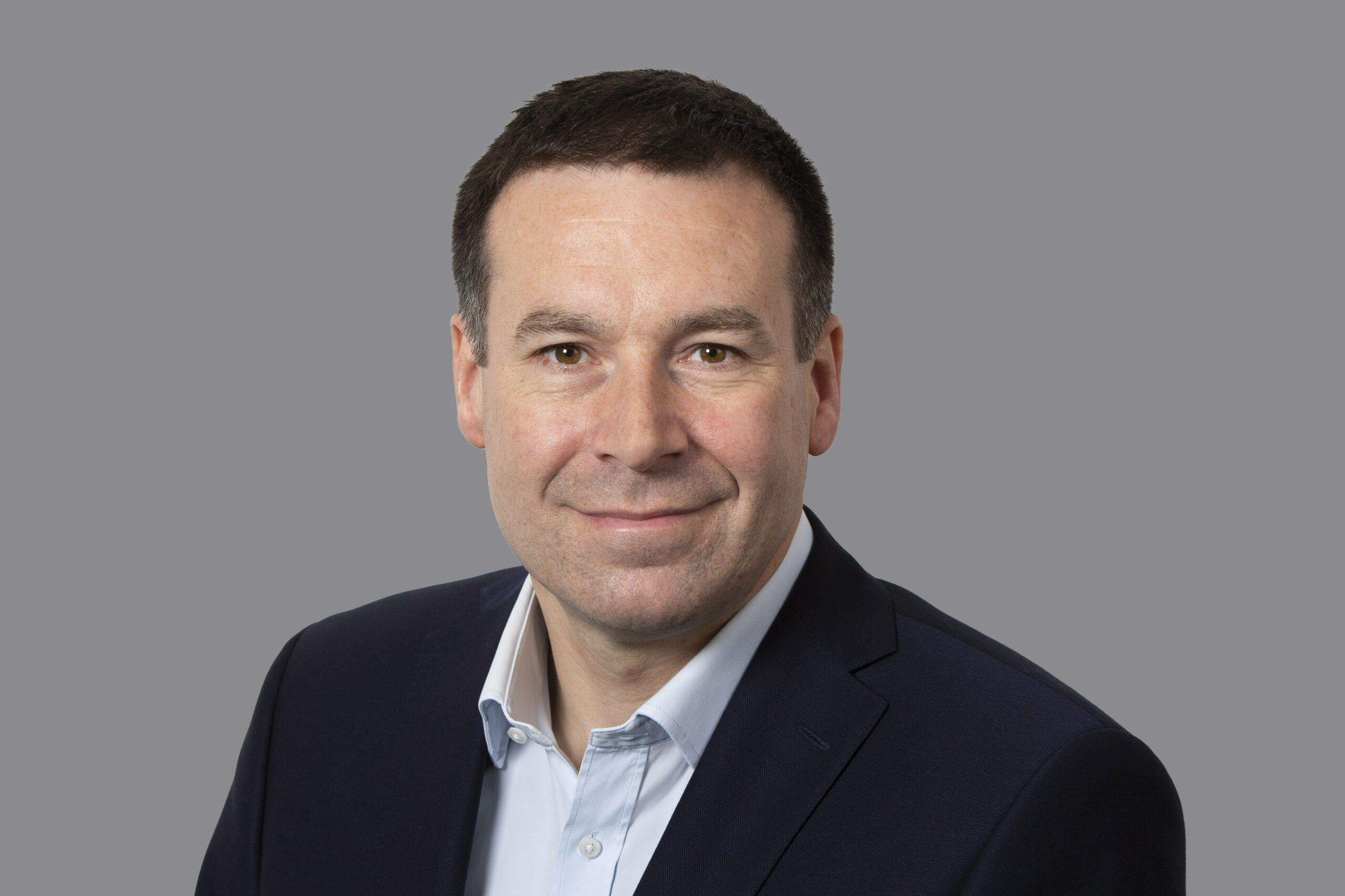
“The UK isn’t really that bad. What frustrates me the most is that we’re not that far away from a little bit of pragmatism solving all our problems… the UK is actually trying to be fiscally responsible. If you look at what the OBR is forecasting, the UK is expected to have a budget deficit of 2% at the end of the parliament. That is quite sustainable. The debt to GDP ratio falls.”
He points out that there isn’t anyone in the market today who isn’t worried about the UK’s fiscal deficit. He says that “everyone is hyper-depressed about the fiscal situation and that’s when you get bargains. We have a much better fiscal situation than the US, but no one has any enthusiasm for gilts. As a result, UK government bonds are super-cheap.”
On corporate bonds, he says, “everyone is talking about how risky assets are quite expensive, and corporate bonds are no different, but they are tight for a reason. The risk in credit spreads has collapsed.” He points out that corporate balance sheets have improved significantly, but there has been a big increase in government debt. “So the risk-free asset is more risky, and the risky bit is less risky….something could happen tomorrow and risk could sell off. No-one can predict it. But in the absence of the unpredictable, credit spreads could sell off. Those who are underweight credit risk could get squeezed.”
All in all, it points to a relatively benign outlook for the year ahead. Certain risk assets are expensive, but there are still reasons why they could progress. Equally, there are a range of areas that have been crowded out and could be reappraised in the year ahead.

Research the funds in this article

Guinness Global Equity Income
Equity

WS Amati Strategic Metals
Equity
Artemis Corporate Bond
Fixed Income
This article is provided for information only. The views of the author and any people quoted are their own and do not constitute financial advice. The content is not intended to be a personal recommendation to buy or sell any fund or trust, or to adopt a particular investment strategy. However, the knowledge that professional analysts have analysed a fund or trust in depth before assigning them a rating can be a valuable additional filter for anyone looking to make their own decisions.
Past performance is not a reliable guide to future returns. Market and exchange-rate movements may cause the value of investments to go down as well as up. Yields will fluctuate and so income from investments is variable and not guaranteed. You may not get back the amount originally invested. Tax treatment depends of your individual circumstances and may be subject to change in the future. If you are unsure about the suitability of any investment you should seek professional advice.
Whilst FundCalibre provides product information, guidance and fund research we cannot know which of these products or funds, if any, are suitable for your particular circumstances and must leave that judgement to you. Before you make any investment decision, make sure you’re comfortable and fully understand the risks. Further information can be found on Elite Rated funds by simply clicking on the name highlighted in the article.
Related insights

The golden rule of diversification

Making your ISA work harder for you

The precious metals bull run still has legs