
The essential guide to behavioural finance
By Staci West on 31 July 2026 in Basics
Most people think successful investing is about choosing the right fund or predicting what markets will do next. In reality, our biggest investing challenge is often ourselves.
Behavioural finance explores how emotions, habits and mental shortcuts influence the decisions we make with money. Understanding these biases won’t stop markets from moving but it can help stop you making expensive mistakes.

What is behavioural finance?
Traditional finance assumes people make rational decisions based on facts and logic. Behavioural finance challenges that idea. It combines psychology and economics to explain why we don’t always make decisions in our own best interests.
Our brains rely on shortcuts, known as cognitive biases, to help us process information quickly. They’re useful in everyday life, but when investing they can sometimes encourage us to buy at the wrong time, sell too early or take more risk than we intended.
Investing isn’t simply about understanding markets. It’s about understanding yourself.
Four biases every investor should know
- Present bias – We naturally place greater value on rewards we can enjoy today than benefits we’ll receive years from now. This is why spending £200 on a weekend away often feels easier than investing £200 for retirement, even if the long-term benefit is much greater.
- Loss aversion – Research suggests losses feel roughly twice as painful as equivalent gains feel rewarding. This often leads investors to panic during market falls, even though history shows markets have repeatedly recovered over the long term.
- Confirmation bias – Once we’ve formed an opinion, we naturally look for information that supports it and ignore evidence that challenges it. Investors can easily fall into the trap of reading only positive news about companies or funds they already own.
- Overconfidence – Many investors believe they’re better than average at predicting markets or identifying winning investments. This confidence can lead to excessive trading or taking concentrated positions, despite evidence showing that consistently beating markets is extremely difficult.
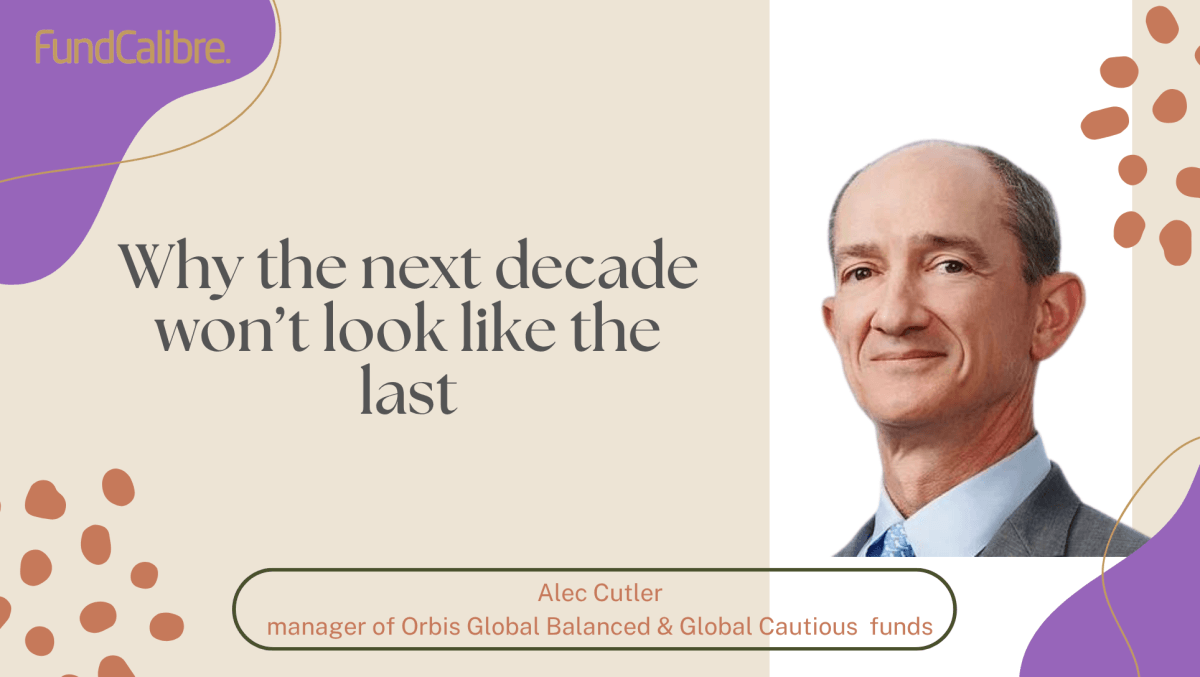
As Alec Cutler, manager of the Orbis Global Balanced fund, told me recently in an interview: “The biggest cognitive biases I see are overconfidence and the assumption that the future will be like the past.” He argues that investors often assume the conditions of the past few years — strong markets, supportive economic conditions and reliable returns — will simply continue. History suggests markets rarely work that way.
How behavioural finance affects markets
These biases don’t just influence individual investors, they can shape entire markets. When optimism becomes widespread, prices can rise far beyond what company fundamentals justify, creating market bubbles.
Conversely, when fear takes hold, investors often rush to sell at the same time, leading to sharp market falls and panic selling. Behavioural biases can also create pricing anomalies, where shares become temporarily overvalued or undervalued as emotions overpower rational decision-making.
Many fund managers look for these opportunities, believing that markets are not always perfectly efficient because people aren’t perfectly rational.
Funds that use behavioural finance
If you’re anything like me, you’ll probably find the psychology behind investing just as fascinating as the investing itself. I’ve always believed there’s more to successful investing than spreadsheets, balance sheets and profit-and-loss statements. After all, companies are run by people, markets are driven by people, and investors are… well, people too.
Many fund managers recognise this. Rather than assuming markets are always perfectly rational, they build their investment process around the idea that human behaviour regularly creates opportunities. Here are a few examples.
Orbis Global Balanced
The team believes markets frequently mis-price assets because investors become either too optimistic or too pessimistic. Their contrarian approach looks to exploit these behavioural mistakes while balancing risk across equities and bonds, aiming to deliver steadier long-term returns.
M&G Income & Growth
The managers combine traditional company analysis with a disciplined valuation approach, looking for businesses that have fallen out of favour despite strong long-term fundamentals. By remaining patient when others become overly emotional, they aim to benefit when market sentiment eventually improves.
Brown Advisory Global Leaders
The managers seek businesses with strong competitive positions, excellent management teams and sustainable growth prospects. Just as importantly, they’re disciplined about what they’re willing to pay. They understand that even great companies can become poor investments if optimism pushes valuations too far, helping them avoid getting swept up in market excitement.
Continue learning
If you’ve enjoyed this short guide, you’ll probably love our Psychology of Money course. It’s one of my favourite courses we’ve created because it explores something I think is hugely overlooked: investing isn’t just about understanding markets, it’s about understanding ourselves. We look at the behavioural biases that influence our decisions, why emotions can derail even the best investment plans, and practical ways to become a calmer, more disciplined long-term investor.

After all, as Morgan Housel puts it: “Doing well with money has little to do with how smart you are and a lot to do with how you behave.” Once you understand that, investing starts to make a lot more sense.
This article is provided for information only. The views of the author and any people quoted are their own and do not constitute financial advice. The content is not intended to be a personal recommendation to buy or sell any fund or trust, or to adopt a particular investment strategy. However, the knowledge that professional analysts have analysed a fund or trust in depth before assigning them a rating can be a valuable additional filter for anyone looking to make their own decisions.
Past performance is not a reliable guide to future returns. Market and exchange-rate movements may cause the value of investments to go down as well as up. Yields will fluctuate and so income from investments is variable and not guaranteed. You may not get back the amount originally invested. Tax treatment depends of your individual circumstances and may be subject to change in the future. If you are unsure about the suitability of any investment you should seek professional advice.
Whilst FundCalibre provides product information, guidance and fund research we cannot know which of these products or funds, if any, are suitable for your particular circumstances and must leave that judgement to you. Before you make any investment decision, make sure you’re comfortable and fully understand the risks. Further information can be found on Elite Rated funds by simply clicking on the name highlighted in the article.
Related insights

Are we entering a new commodity supercycle?

Six global funds offering six very different ways to invest

The geopolitics of investing