
“Investment grade credit entered this period from a position of strength, supported by conservative balance sheets, ample liquidity and steady investor positioning.” Even higher yield bonds were in good shape, with defaults low and quality improving.
The great divide over corporate bonds
By Joss Murphy on 7 May 2026 in Fixed income
In its response to the Iran war, the stock market has shown surprising resilience. Equities wobbled in the early stages of the conflict, but have now recovered their momentum. Corporate bonds have followed a similar trajectory. Spreads over government bonds widened early March, but have subsequently recovered. This has done little to dent a growing view that – like equity markets – corporate bonds may not fully reflect the risks in markets.

Going into the crisis, corporate bond spreads over government bonds were as low as they had been since before the Global Financial Crisis in 2008. There were sound reasons for this. Company balance sheets were generally strong, borrowing levels low, and earnings relatively high. The ‘all in’ yield for corporate bonds was attractive, supported by relatively high government bond yields. Investors had a good cushion.
Jack Willis, manager on the Liontrust Sustainable Future Monthly Income Bond fund, says:

The Iran war caused some short-term widening in spreads, but within weeks, they were back to where they were in early February. Nevertheless, there were nuances. Jack adds: “The reaction to the conflict has been more pronounced in Europe, given its more direct exposure to energy prices, higher operating costs for energy-intensive sectors, and the added pressure of shipping disruptions.”
However, he says, “after an initial widening, spreads regained some ground as the market reassessed the likelihood of a prolonged shock. Primary markets remain open, as shown by large transactions such as Amazon’s recent large bond issue.” He says high yield has seen a bit more volatility and dispersion but has still been resilient compared to equities. Chemicals, autos and real estate have been under the most pressure, reflecting their sensitivity to growth expectations and energy costs.
So, is the glass half empty or half full?
For corporate bond bulls, it shows their resilience in the face of volatility. For corporate bond bears, it is a sign that bond investors don’t fully appreciate the risks. Could inflation spike higher in response to the Iranian crisis? What would be the impact on corporate balance sheets? Might defaults rise?
David Coombs, manager of Rathbone Strategic Growth Portfolio, is firmly in the bear camp:
Dickie Hodges, manager of Nomura Global Dynamic Bond, has also been nervous about credit spreads during this period, and has bought credit default swaps to protect the portfolio. “We had substantial hedging in place going into the conflict. It has done its job in reducing volatility. These have been actively managed since the beginning of the conflict in order to lock in gains whilst maintaining a degree of protection.”
Lloyd Harris, manager of Premier Miton Strategic Monthly Income Bond, has also been relatively light on credit risk and relatively short duration in this environment. He says:
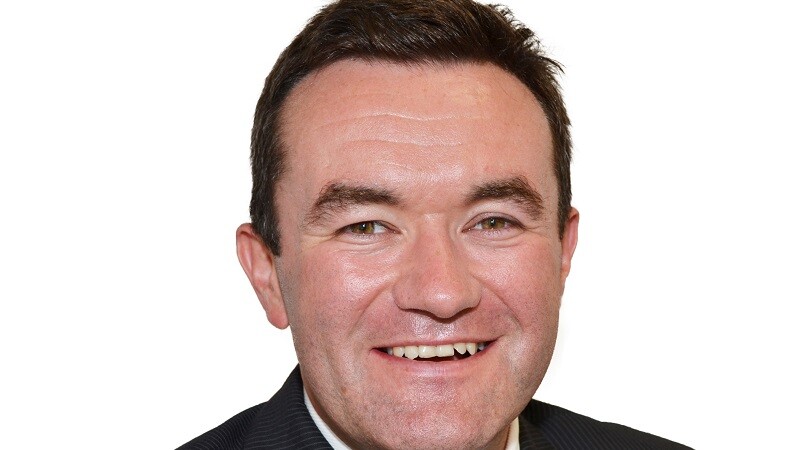
“In credit, we remain deliberately cautious. Spreads have widened only modestly and do not yet reflect the operational and balance sheet stress that supply disruptions are likely to generate, particularly in cyclical sectors such as aviation. High yield and private credit look vulnerable as defaults rise and underwriting is tested.”
However, Jack Willis says that the volatility – however limited – has created opportunity. These tend to be idiosyncratic, rather than broad-brush trends. He gives the example of switching out of a junior bond in BT Group’s capital structure into a senior BT bond, where higher yield is available alongside improved structural protection*. For them it is “adding risk selectively where mispricing arises.”
Jeremy Wharton, manager of the IFSL Church House Investment Grade Fixed Interest fund, is also more optimistic: “European and US markets are still functioning well despite the volatility. Secondary market liquidity has been good and we have seen some large primary deals despite the volatility. Amazon came to market with a whopping $38 billion issue in the second week (Stellantis also issued €5 billion hybrids on the same day) and then a few days later sold €14.5 billion in a multi tranche out to 2064.” He sees particular opportunities in the UK:
The crisis has opened up opportunities in credit markets, but they are not universal. In aggregate, credit spreads look tight relative to history and do not always reflect the risks. The yields on offer from corporate bonds are still appealing, but having a good, careful active manager is particularly important in the current environment.
*Source: Liontrust, 20 March 2026
This article is provided for information only. The views of the author and any people quoted are their own and do not constitute financial advice. The content is not intended to be a personal recommendation to buy or sell any fund or trust, or to adopt a particular investment strategy. However, the knowledge that professional analysts have analysed a fund or trust in depth before assigning them a rating can be a valuable additional filter for anyone looking to make their own decisions.
Past performance is not a reliable guide to future returns. Market and exchange-rate movements may cause the value of investments to go down as well as up. Yields will fluctuate and so income from investments is variable and not guaranteed. You may not get back the amount originally invested. Tax treatment depends of your individual circumstances and may be subject to change in the future. If you are unsure about the suitability of any investment you should seek professional advice.
Whilst FundCalibre provides product information, guidance and fund research we cannot know which of these products or funds, if any, are suitable for your particular circumstances and must leave that judgement to you. Before you make any investment decision, make sure you’re comfortable and fully understand the risks. Further information can be found on Elite Rated funds by simply clicking on the name highlighted in the article.
Related insights

What does your sustainable fund actually own?
Growth, value or bonds? Investing in a higher-rate world

Why rising bond yields could spell trouble for stock markets