
“A continuation of the rotation away from AI-driven sectors, especially in the early part of August; second, a Q2 earnings season that was generally strong for healthcare companies; and third, excitement generated by the announcement that a personalised cancer ‘vaccine’, intismeran autogene, developed by Moderna and Merck & Co, delivered encouraging Phase 3 (i.e. late-stage clinical trial) results.”
Healthcare is back: what’s driving the sector’s revival?
By Juliet Schooling Latter on 4 November 2026 in Specialist investing
The healthcare sector is probably, surprisingly, the top performer of the past 12 months. Healthcare companies are up almost 20% on average over the past year, with most of those gains coming in the last six months*. It is a remarkable turnaround for a sector that was, until recently, firmly in the doldrums.

For healthcare-focused investment managers, there is a dose of ‘I told you so’. They had long been pointing to low valuations, rising merger and acquisition (M&A) activity, plus accelerating innovation as possible catalysts for the sector. The removal of some of the political headwinds around drug pricing and the governance of Federal agencies also looked likely to spur a rally.
It took a little time for investors to recognise that the world had changed. In particular, it took a rotation out of AI stocks to galvanise interest. Gareth Powell, manager of the Polar Capital Global Healthcare Trust, sees three factors contributing to the sector’s positive relative performance:

This latter development was particularly important. The news added over $80 billion in market capitalisation between the two companies involved. Gareth said it also had a favourable halo effect not just on biopharma companies but also on those that benefit indirectly, such as life sciences tools and services**.
The biotech buying spree
Merger and acquisition activity has been particularly important for the biotechnology sector. Ailsa Craig, portfolio manager of the International Biotechnology Trust, says: “We have been saying for several years that a wave of dealmaking was coming, with a so-called ‘patent cliff’ looming for the large pharmaceutical companies that dominate global healthcare.”
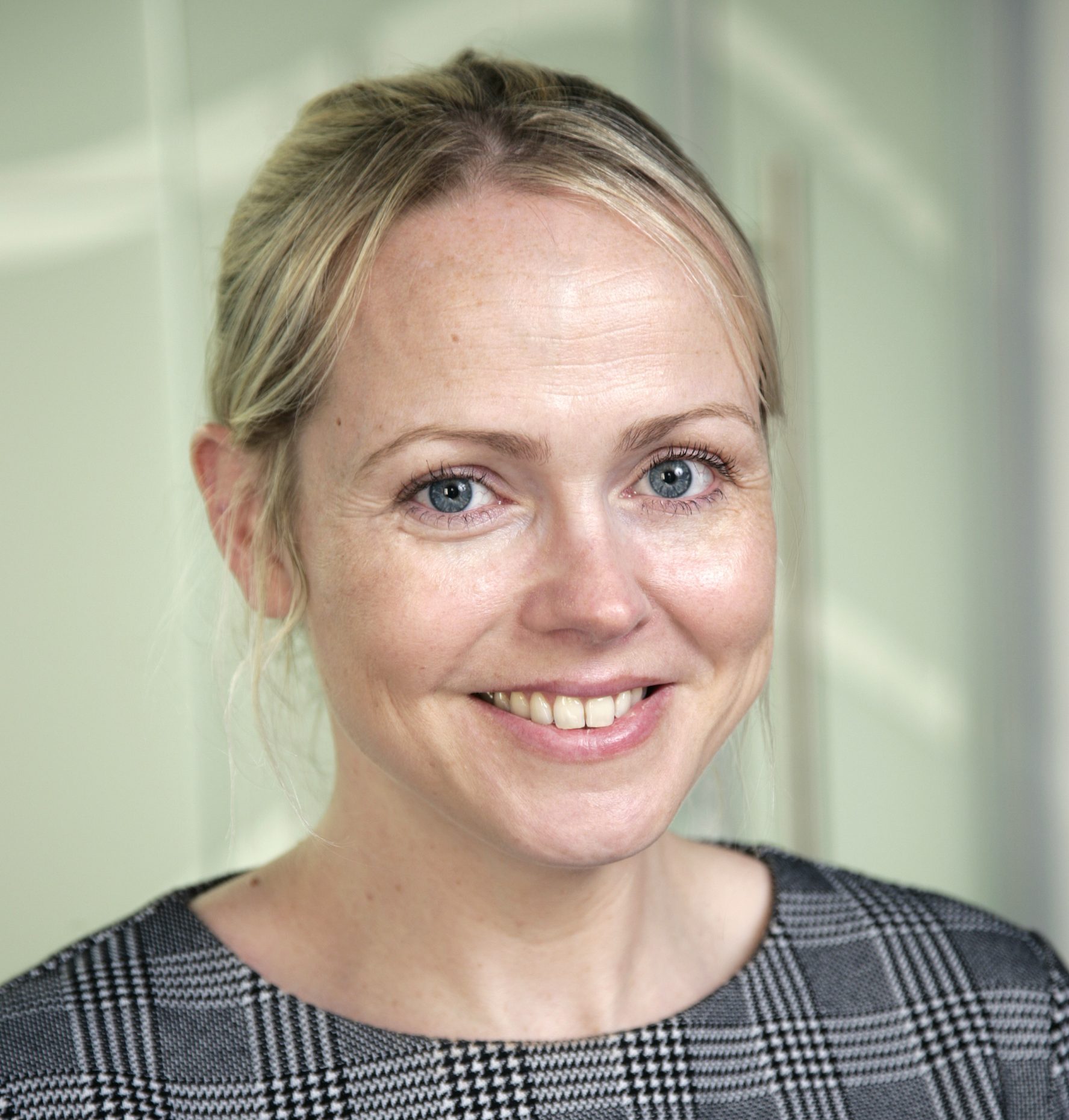
She says deals had been happening, but at a relatively slow pace. They were held back by the bear market for biotechnology shares and then by the political uncertainty surrounding the Trump administration. This has changed: “In the first half of 2026, more than 80 deals were announced to acquire biotech companies, with a total value of $150 billion. Thirteen portfolio companies were acquired in the financial year just completed, representing approximately 27% of net asset value.”
Ailsa expects this wave of M&A to continue, with big pharma recognising that it needs to act on its patent cliff sooner rather than later***. The Nasdaq Biotechnology index is up 26% since the start of the year****. That puts it significantly ahead of the Nasdaq index, which is up just 12%****.
Innovation takes centre stage
As the Moderna/Merck cancer vaccine shows, innovation continues to be a feature of the sector. Ailsa says they have seen some extraordinary developments across their portfolio. She gives the example of Cytokinetics in the heart condition hypertrophic cardiomyopathy area and Vera Therapeutics in the kidney disease IgA nephropathy:
Pancreatic cancer has been a particularly difficult nut to crack and this represents a significant breakthrough.
Global investors are starting to take an interest. In a symbolic shift, the JPM Global Equity Income fund has recently made a new investment in global healthcare and medical technology company Abbott Laboratories, while selling out of Meta Platforms^.
It has also been a significant area of focus for IFSL Evenlode Global Equity. Manager Chris Elliot says the “perception of solidity” has helped at a time when investors have been feeling nervous.

He believes valuations remain cheap and earnings improvements should start to attract greater interest. He gives the example of laboratory testing outsourcer Quest Diagnostics^^: “It posted double-digit revenue growth, a rate reflecting wins in bringing new hospital systems on board and success in its direct-to-consumer efforts…it is encouraging to see the strategy working on the ground.”
The fund also holds Roche and GSK, which grew their revenues by 7% and 5% respectively in their latest earnings announcement. He says that while Roche has some patent risk, it is offset by success in its oncology business^^. GSK also delivered a solid performance in pharmaceuticals and has recently announced a cost-cutting initiative.
Why healthcare’s momentum could last
There are also a range of long-term drivers supporting the healthcare sector. Demographics is the obvious one, with Western populations still getting older without getting healthier. In the UK, healthy life expectancy is falling and now sits at just 61 for men and women^^^. Poverty, poor housing and lifestyle factors such as obesity were all factors. In general, this means more demand for medicines.
Growing wealth in emerging markets is also driving demand for healthcare services. As countries get wealthier, they are building more sophisticated healthcare systems. China, for example, now has the world’s second largest healthcare market, and it is expected to grow to $1.5 trillion by 2029^^^^.
A final factor for the sector may be artificial intelligence. AI founders point to the potential for AI use in areas such as drug discovery as a ‘good news story’ about the new technology.
It adds: “Perhaps even more impressive has been the way that AI has been used behind the scenes as a tool to develop medical technologies. For example, once you have AI to turn medical scans into digital models of the human heart, you can build another tool that asks how that heart is likely to respond to different treatments and lifestyle choices. Or yet another that looks for new drug targets.
It says that it is early days for more revolutionary uses of AI, such as discovering new drugs and bringing them to market, but they are in progress and a realistic possibility.
There are always risks with healthcare. It is a political sector, subject to the ebb and flow of government spending decisions. However, it appears to have new momentum and there are plenty of exciting breakthroughs across the sector. Investors may be waking up to its potential.
*Source: FE Analytics, total returns in pounds sterling, 2 November 2026
**Source: Polar Capital, 3 September 2026
***Source: Schroders, 13 October 2026
****Source: Google Finance, 2 November 2026
^Source: fund factsheet, 30 September 2026
^^Source: Evenlode, 30 October 2026
^^^Source: BBC, 27 April 2026
^^^^Source: International Trade Administration, China, 25 September 2025
*^Source: Imperial Enterprise, April 2026
This article is provided for information only. The views of the author and any people quoted are their own and do not constitute financial advice. The content is not intended to be a personal recommendation to buy or sell any fund or trust, or to adopt a particular investment strategy. However, the knowledge that professional analysts have analysed a fund or trust in depth before assigning them a rating can be a valuable additional filter for anyone looking to make their own decisions.
Past performance is not a reliable guide to future returns. Market and exchange-rate movements may cause the value of investments to go down as well as up. Yields will fluctuate and so income from investments is variable and not guaranteed. You may not get back the amount originally invested. Tax treatment depends of your individual circumstances and may be subject to change in the future. If you are unsure about the suitability of any investment you should seek professional advice.
Whilst FundCalibre provides product information, guidance and fund research we cannot know which of these products or funds, if any, are suitable for your particular circumstances and must leave that judgement to you. Before you make any investment decision, make sure you’re comfortable and fully understand the risks. Further information can be found on Elite Rated funds by simply clicking on the name highlighted in the article.
Related insights

National Savings Day: from your first £1 to your first investment

Sell in May? Not this year…

Back to school: An investment portfolio for every subject