
Child’s pose is where you go when things feel like a lot. It’s a restorative pose designed to be grounding and quietly powerful in its simplicity. You’re resetting — counter-stretching after a backbend, or simply giving your body a moment to recover. That’s exactly what a defensive fund does in a portfolio.
International Day of Yoga: a yogi’s guide to investing
By Staci West on 15 June 2026 in Basics
I have practised yoga on and off for more than a decade. I’ve also looked at enough investment portfolios over the past eight years working at FundCalibre to know that, strangely, the two have more in common than they probably should.
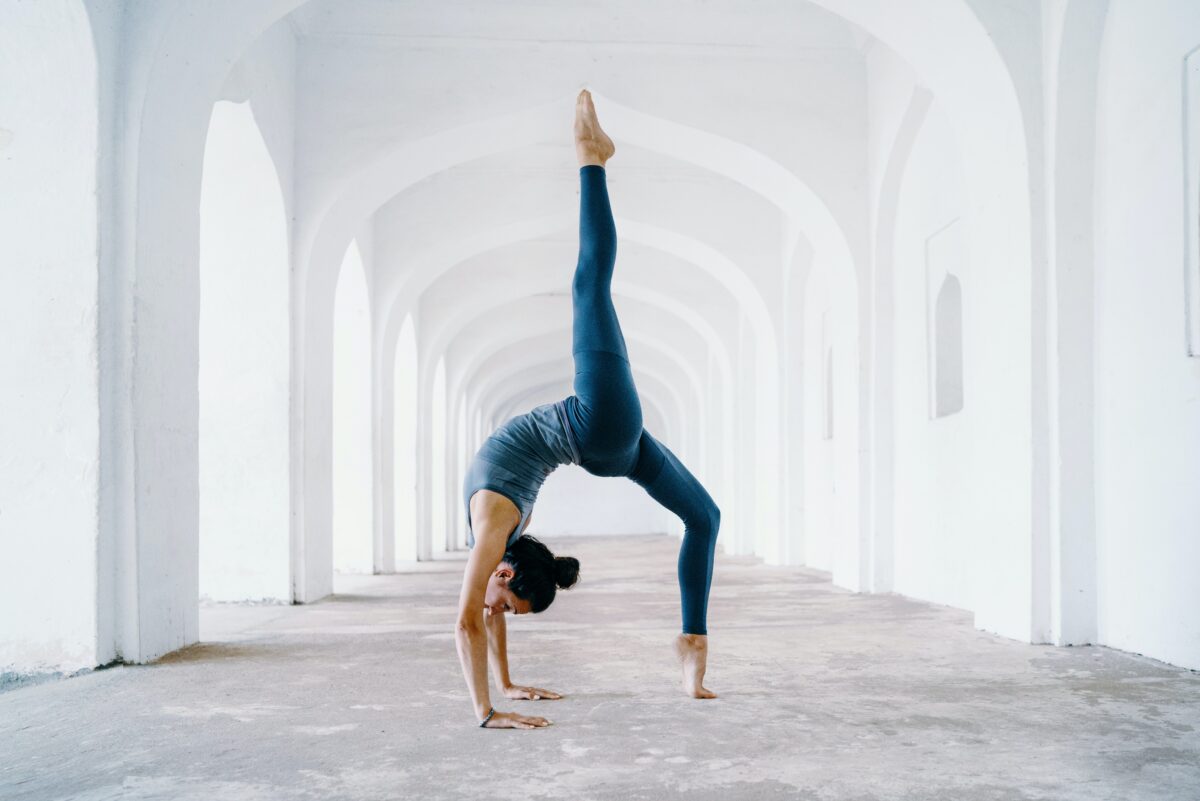
Yoga is often thought of as stretching and strength. Investing is often thought of as numbers and graphs. But both are really about something much simpler: balance; discipline, and knowing when to hold a position (and when to ease out of it).
So, in the spirit of International Day of Yoga on 21 June, let’s see what some of the most popular yoga poses would look like in fund form.
Downward-Facing Dog
Downward Dog is the pose you come back to again and again. It stretches everything, builds strength, and somehow manages to feel like both effort and rest at the same time. It’s a key foundational pose in Vinyasa practices. In other words, it’s a “core” pose. That makes it a natural fit for global equity funds, the core of many long-term portfolios.
T. Rowe Price Global Select Equity can sit in that same “foundation” role. This fund has all the hallmarks of a high-quality portfolio, with a strong risk management framework in pursuit of creating a portfolio that looks to outperform over a full market cycle. The fund has returned 67% over the past five years compared with 50% for the IA Global sector*.
Child’s pose
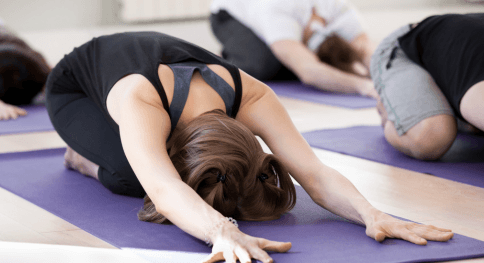
SVS RM Defensive Capital sits in that “protect first” mindset. It targets long-term capital growth with capital preservation at its core. It aims to deliver positive absolute returns over rolling three-year periods, in a range of market conditions, with less volatility than equity funds.
Mountain pose
Mountain pose looks simple from the outside. You’re essentially “just” standing there, but it isn’t passive. When done correctly, you’re engaging your muscles and aligning your body with a purpose – more so than when you’re normally standing. Think of it as your structural, strong base.
Murray Income Trust is exactly that: a steady UK equity core with a focus on delivering both income and capital growth over time. Now managed by Artemis since March 2026, it remains a flexible, high-conviction portfolio of UK stocks run by an experienced trio of managers.
Plank pose
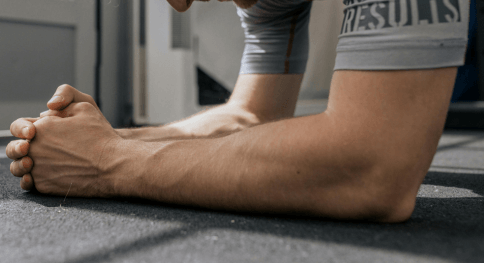
You don’t need to be an experienced yogi to know that plank is not comfortable. Nobody ever says, “I could stay here forever.” But it does work (unfortunately), it builds strength through control and patience. Two qualities you’d want in a high-conviction growth fund.
FSSA Asia Focus fits neatly into this space. A concentrated, long-term approach to Asian equities, it requires conviction through cycles rather than constant tinkering. The fund places a particular emphasis on governance and investing in quality companies that will respect the interests of minority shareholders.
Tree pose
Tree pose is all about balance. From the outside, you should look calm and still, but in reality you’re constantly making micro-adjustments to keep that steady and strong foundation — and all on one foot!
BNY Mellon Multi-Asset Balanced sits across asset classes, aiming to smooth returns through diversification. The fund looks to achieve a balance between income and capital growth by investing in both equities and bonds.
Triangle pose
Triangle pose is another foundational pose in yoga, a sense of controlled tension with a twisting motion in the torso.
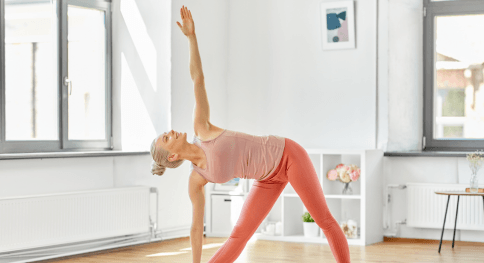
M&G Strategic Corporate Bond operates in a similar space of balance and flexibility within fixed income. It primarily invests in investment grade bonds, but up to 20% of the portfolio may also be held in high yield bonds, government debt, convertibles and preference stocks. It makes for an interesting alternative in this sector.
Forward Fold
Forward fold is meant to be a calming stretch. Unless, of course, you have tight hamstrings — in which case it becomes a slow negotiation with gravity. The goal, however, is often to lower the intensity (and your heart rate) by bringing you inward and releasing tension in your spine to promote relaxation.
For our purposes, I’m going to say that’s close to short-duration fixed income. Artemis Short-Duration Strategic Bond sits in that lower-volatility part of the bond universe, designed to reduce interest rate sensitivity and provide a more stable experience. It focuses on risk control and stability in uncertain markets.
What this all means
If this all feels a little unusual, that’s fair, you probably didn’t expect a yoga lesson when you came to our investment website today, but the point isn’t that investing is yoga. It’s that both reward the same thing: structure; patience and awareness of how different positions work together.
A good yoga practice isn’t made of one pose held forever. And a good portfolio isn’t built on one idea stretched too far.
It’s a flow of strength, balance, recovery and conviction repeated over time.
*Source: FE Analytics, total returns in pounds sterling, 4 June 2021 to 5 June 2026
This article is provided for information only. The views of the author and any people quoted are their own and do not constitute financial advice. The content is not intended to be a personal recommendation to buy or sell any fund or trust, or to adopt a particular investment strategy. However, the knowledge that professional analysts have analysed a fund or trust in depth before assigning them a rating can be a valuable additional filter for anyone looking to make their own decisions.
Past performance is not a reliable guide to future returns. Market and exchange-rate movements may cause the value of investments to go down as well as up. Yields will fluctuate and so income from investments is variable and not guaranteed. You may not get back the amount originally invested. Tax treatment depends of your individual circumstances and may be subject to change in the future. If you are unsure about the suitability of any investment you should seek professional advice.
Whilst FundCalibre provides product information, guidance and fund research we cannot know which of these products or funds, if any, are suitable for your particular circumstances and must leave that judgement to you. Before you make any investment decision, make sure you’re comfortable and fully understand the risks. Further information can be found on Elite Rated funds by simply clicking on the name highlighted in the article.
Related insights

National Savings Day: from your first £1 to your first investment

Is your portfolio ready for 2027? Four things to do now

Premier League 2026/27: Meet FundCalibre’s starting XI