
TSMC created the first semiconductor-dedicated IC foundry business model when it was founded back in 1987. It now manufactures thousands of products. The company is listed on the Taiwan Stock Exchange, while its American Depositary Shares are traded on the New York Stock Exchange.
Meet the new challenger to US tech dominance
By James Yardley on 6 May 2026 in Asia/Emerging Markets
Asian companies are now providing serious competition to US technology giants in the race to meet the relentless demand for artificial intelligence (AI). They have already been responsible for some of the most critical advances to have fuelled the ongoing AI boom, according to GAM Investments, who says: “The region has become integral to the global AI ecosystem, supported by world-class capabilities in semiconductors, integrated circuit design and a rapidly expanding software landscape.”

Asian transformation
The US is no longer the “sole gravitational force” in the global tech race, according to Emerald Yau, head of equity index product management for Asia, at FTSE Russell. She explains that Asia’s technology landscape is undergoing a profound transformation, with breakthroughs in artificial intelligence, advanced manufacturing, and digital platforms reshaping industries across the region. According to Yau, this momentum is being driven by strong government support and strategic policies, as countries place increasing importance on achieving technological self-reliance*.
While internet penetration in Asia has risen to 70%, the region is no longer just a technology consumer*. It’s also an important technology creator. Yau noted that surveys show China leads the world in 66 of 74 critical technologies, most notably in AI and robotics*. She added: “Korea is a leader in memory chips and 5G, Japan in gaming, and Taiwan in advanced semiconductors. Together, these markets are setting the pace for global innovation.
Investment scheduled
Asia Pacific is spending more than other regions on artificial intelligence and deploying it the fastest, according to a KPMG report. Firms are expected to invest, on average, $245 million into AI-related training, technology, compliance and talent over the coming year**.
Korea stands out in the region, with an average AI spend of $358 million. In fact, more than a third of Korean firms plan to invest more than $500 million in AI**.
Simon Benson, head of AI at KPMG Asia Pacific, commented:
Stock selection is essential
David Perrett, lead manager of the M&G Asian fund, recently told FundCalibre that he was constructive on the region for various reasons. “Asia is home to a number of large AI-enablers that have benefitted a lot from the cap-ex wave, and that helped drive Asian markets, particularly in the second half of last year,” he said. He also emphasised the importance of scrutinising opportunities on a case-by-case basis, highlighting “the bottom-up focus and stock picking are absolutely essential.”
Five companies giving you added exposure
As far as technology is concerned, here are some of the most important stocks in the sector – and the investment funds with exposure to them.
Taiwan Semiconductor Manufacturing Company (TSMC)
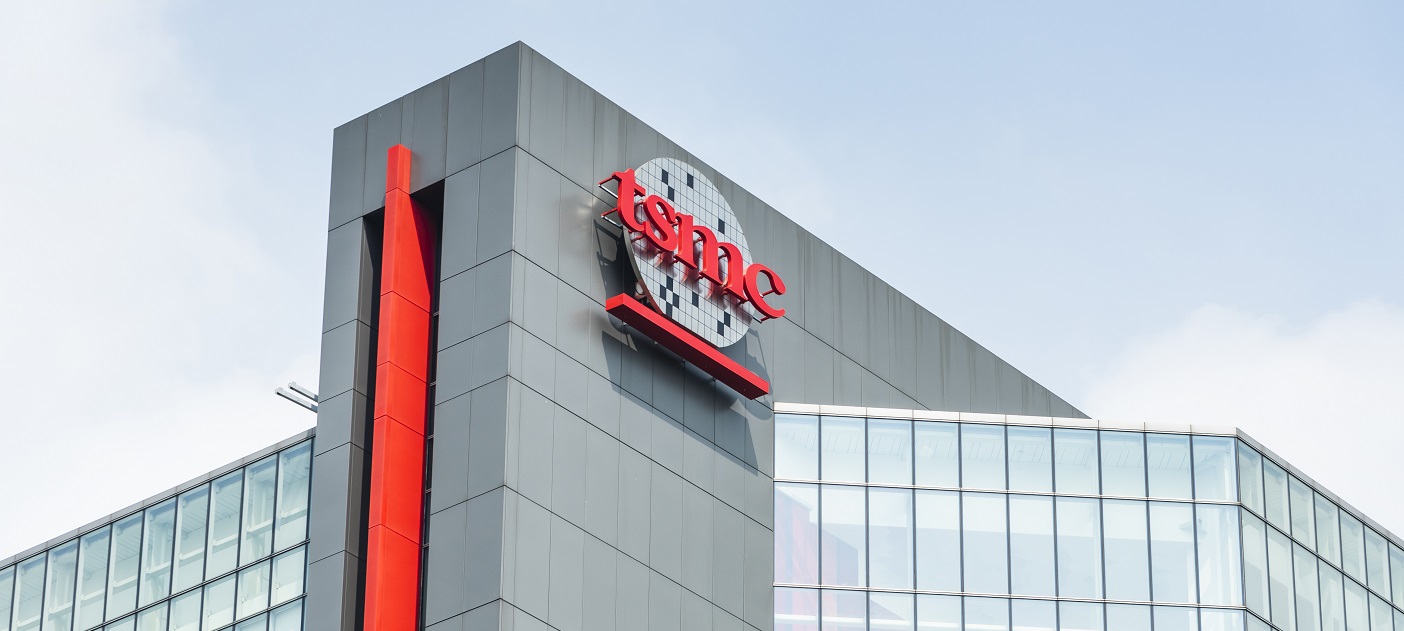
It’s currently the largest individual holding in the Fidelity Asia Pacific Opportunities fund***, in which manager Anthony Srom adopts a high-conviction approach. We believe his disciplined approach helps this portfolio stand out from the crowd, while its well-diversified structure helps reduce potential volatility.
MediaTek
It’s the world’s fifth-largest global fabless semiconductor company and develops solutions for mobile devices, home entertainment and connectivity. Chief executive officer Dr Rick Tsai recently said:
“We believe the combination of strong computing and connectivity capabilities will make MediaTek a strong partner for agentic AI device makers.”
MediaTek is one of the largest holdings in the FSSA Greater China Growth fund, which is run by Martin Lau and Helen Chen***. The managers, who are based in the region, look for well-managed businesses with good corporate governance across Hong Kong, China and Taiwan.
SK Hynix
The South Korea-based semiconductor supplier sells dynamic random access memory (DRAM) chips and flash memory chips to a global customer base. It recently reported a record-high quarterly performance, driven by increased sales of high-value-added products fuelled by strong AI demand.
The company is currently the fourth largest individual holding in Andrew Swan’s Man Asia (ex Japan) Equity fund***. This is a concentrated portfolio that can invest in Asian companies of all sizes. We believe it strikes the right balance between manager freedom and risk control. The process of focusing on relative earnings revisions has proven to be successful since its launch.
ASE Technology
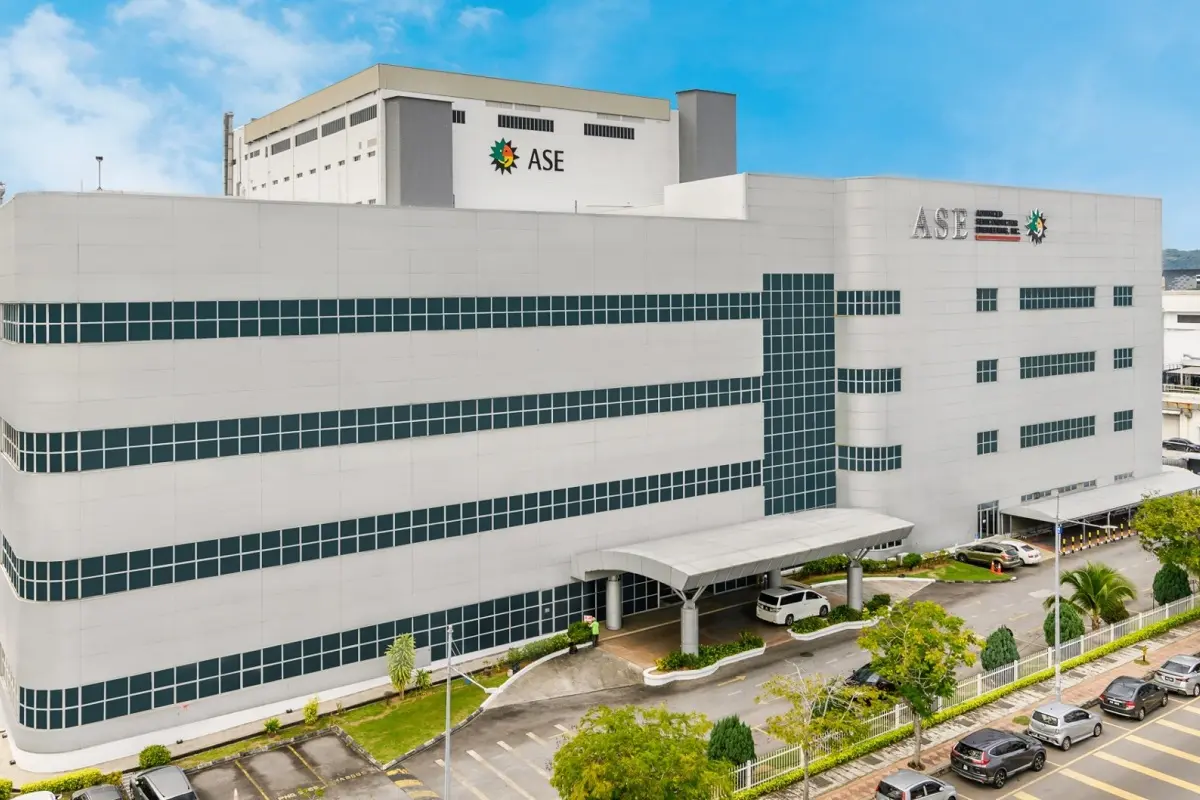
ASE Technology is a Taiwanese provider of semiconductor assembly and testing services with factories worldwide. It’s among the largest holdings in the Schroder Asian Alpha Plus fund***, which aims to provide capital growth over three to five-year periods.
This portfolio, managed by Richard Sennitt and Abbas Barkhordar, takes a flexible approach and seeks to exploit stock market inefficiencies. Currently, the fund also has exposure to MediaTek, SK Hynix and TSMC, as well as Samsung Electronics and Tencent Holdings***.
Hesai
This Chinese company produces LiDAR sensors, which enable industrial robots to conduct automated tasks with a precise 3D view of the workspace. Andrew Fan, Hesai’s chief financial officer, recently promised new products would soon be launched to advance its vision to “empower robotics and elevate lives”.
Earlier this year, the Fidelity China Special Situations credited Hesai, which had delivered robust revenue growth, as one of the main contributors to recent performance^. We believe the trust, whose lead manager is Dale Nicholls, could be an attractive proposition for investors wanting exposure to the Chinese market.
*Source: LSEG, 19 March 2026
**Source: KPMG, April 2026
***Source: fund factsheet, 31 March 2026
^Source: Fidelity China Special Situations, January 2026
This article is provided for information only. The views of the author and any people quoted are their own and do not constitute financial advice. The content is not intended to be a personal recommendation to buy or sell any fund or trust, or to adopt a particular investment strategy. However, the knowledge that professional analysts have analysed a fund or trust in depth before assigning them a rating can be a valuable additional filter for anyone looking to make their own decisions.
Past performance is not a reliable guide to future returns. Market and exchange-rate movements may cause the value of investments to go down as well as up. Yields will fluctuate and so income from investments is variable and not guaranteed. You may not get back the amount originally invested. Tax treatment depends of your individual circumstances and may be subject to change in the future. If you are unsure about the suitability of any investment you should seek professional advice.
Whilst FundCalibre provides product information, guidance and fund research we cannot know which of these products or funds, if any, are suitable for your particular circumstances and must leave that judgement to you. Before you make any investment decision, make sure you’re comfortable and fully understand the risks. Further information can be found on Elite Rated funds by simply clicking on the name highlighted in the article.
Related insights
Does Asia ex Japan have a concentration problem?

Four ways to invest in Asia – and why active management matters

Mid-year review 2026: a lesson in diversification